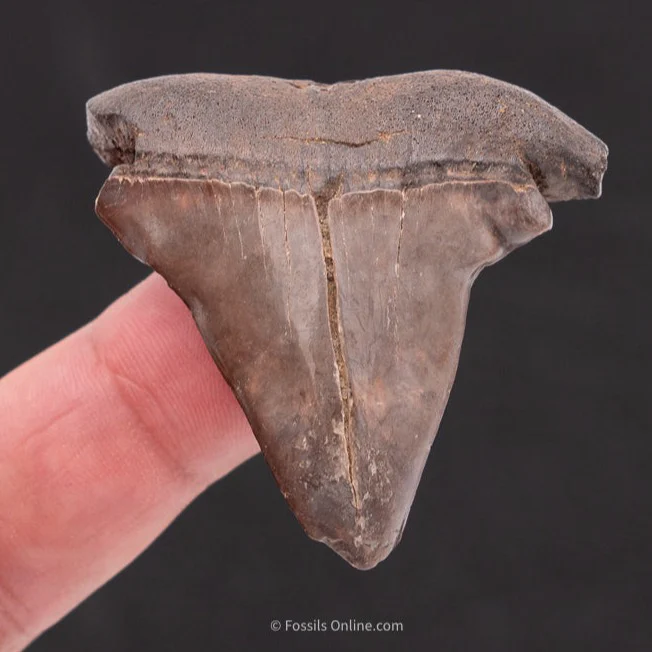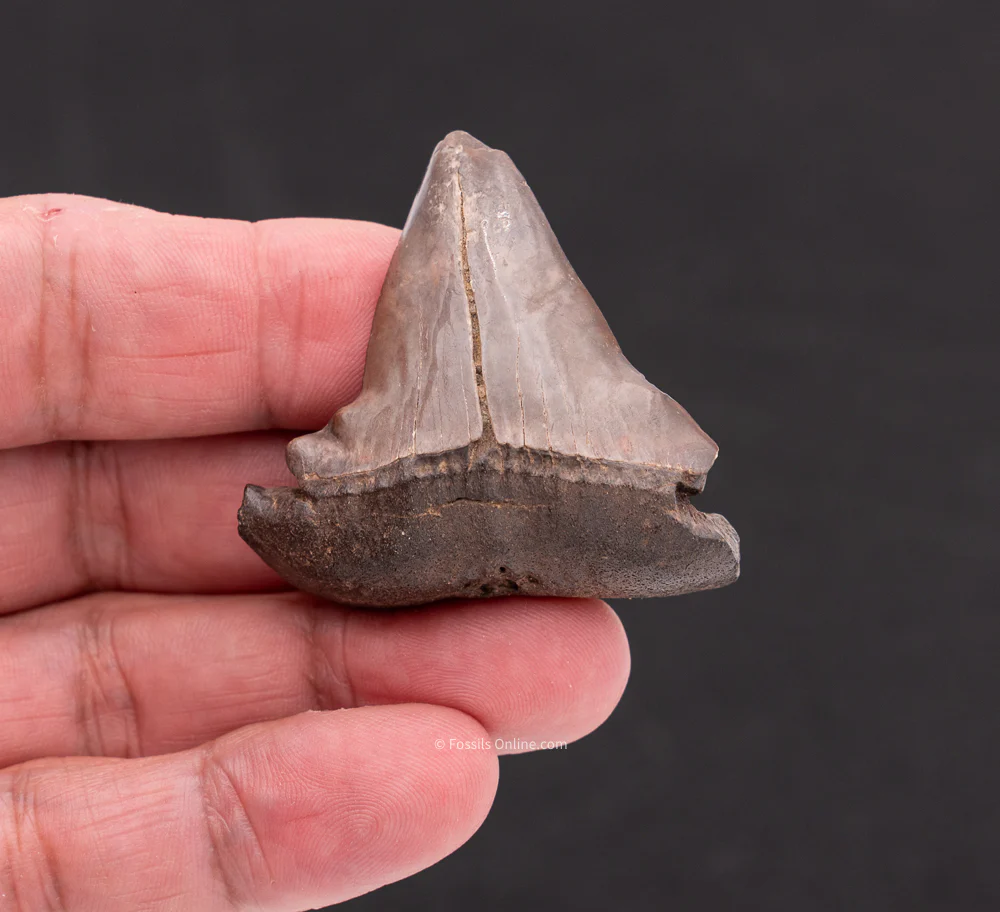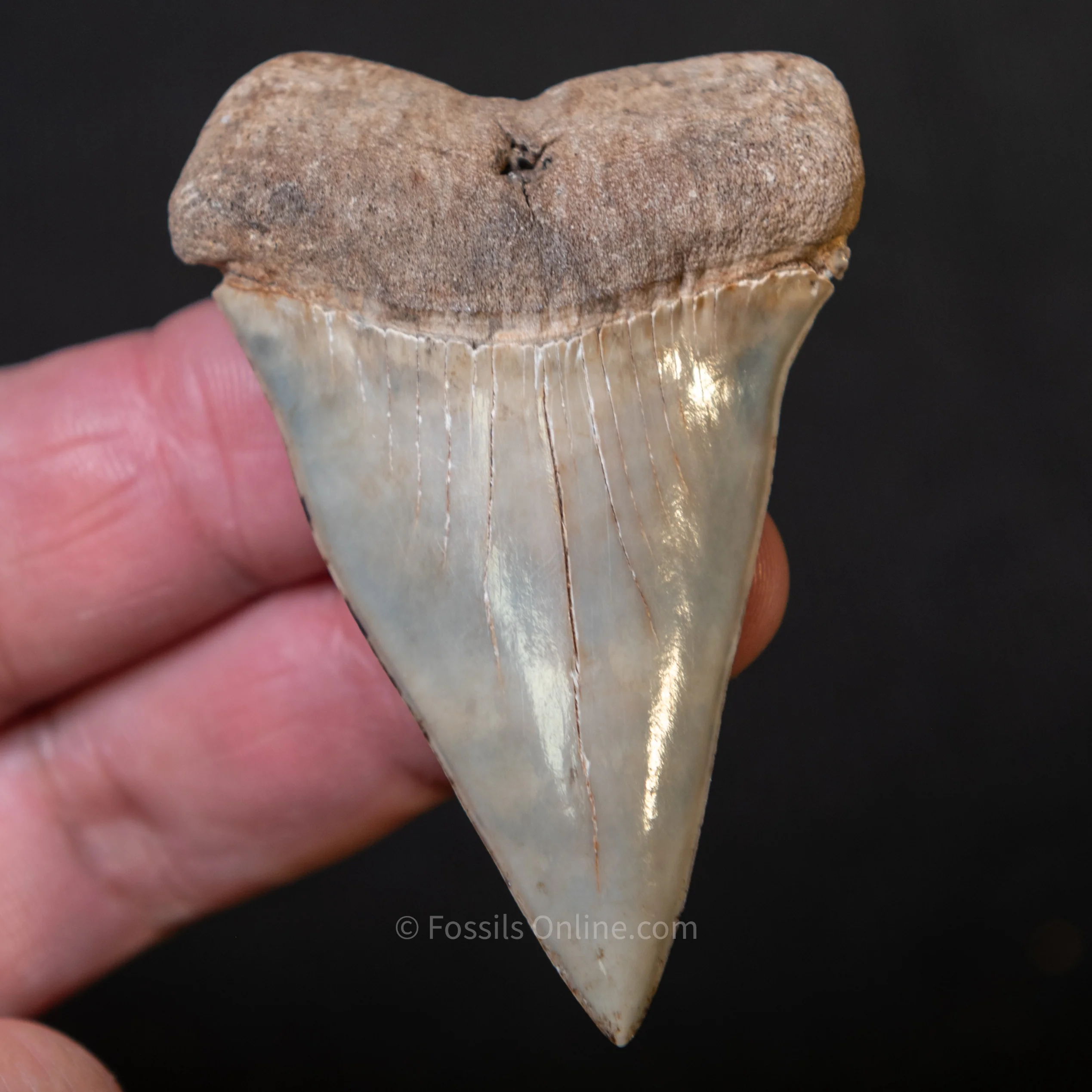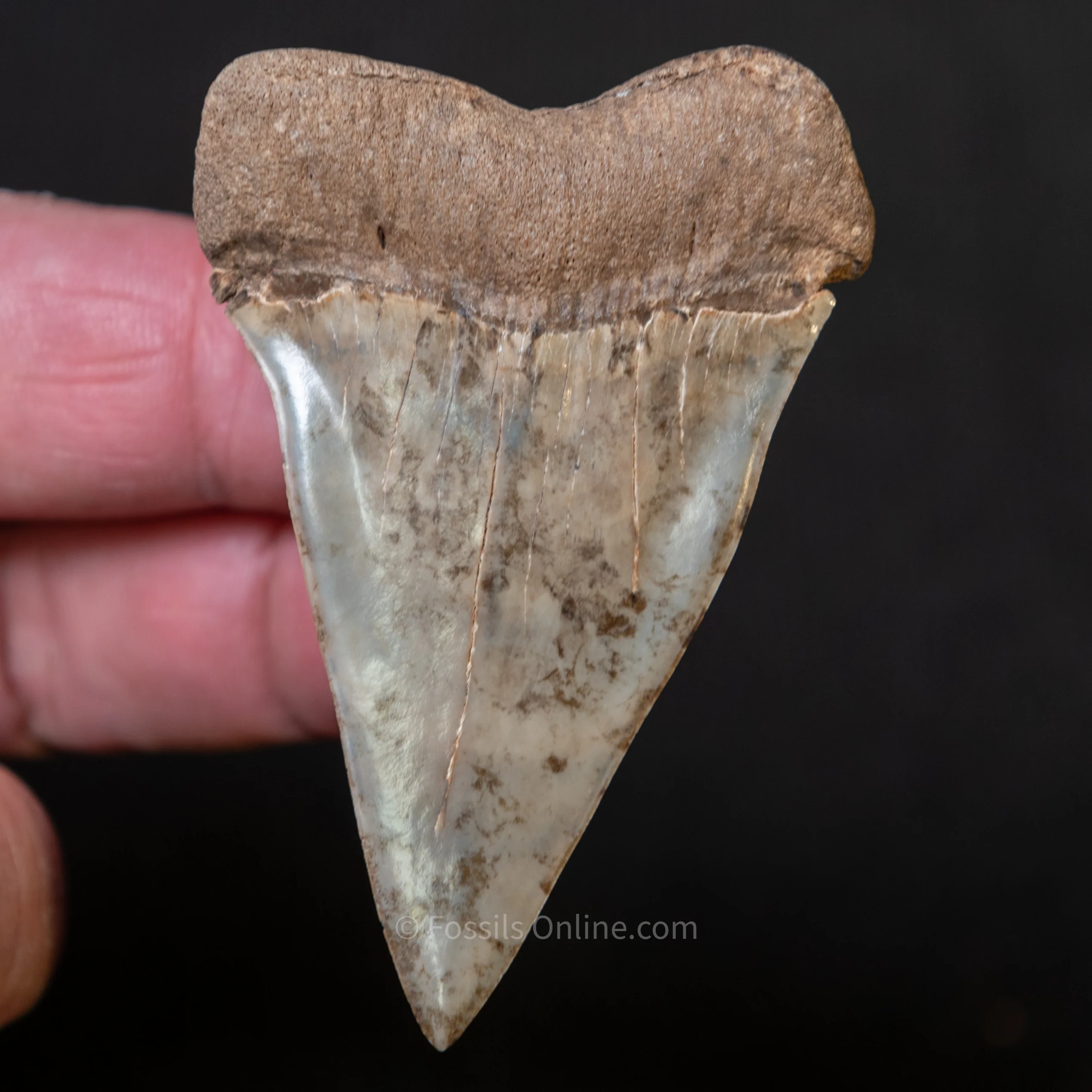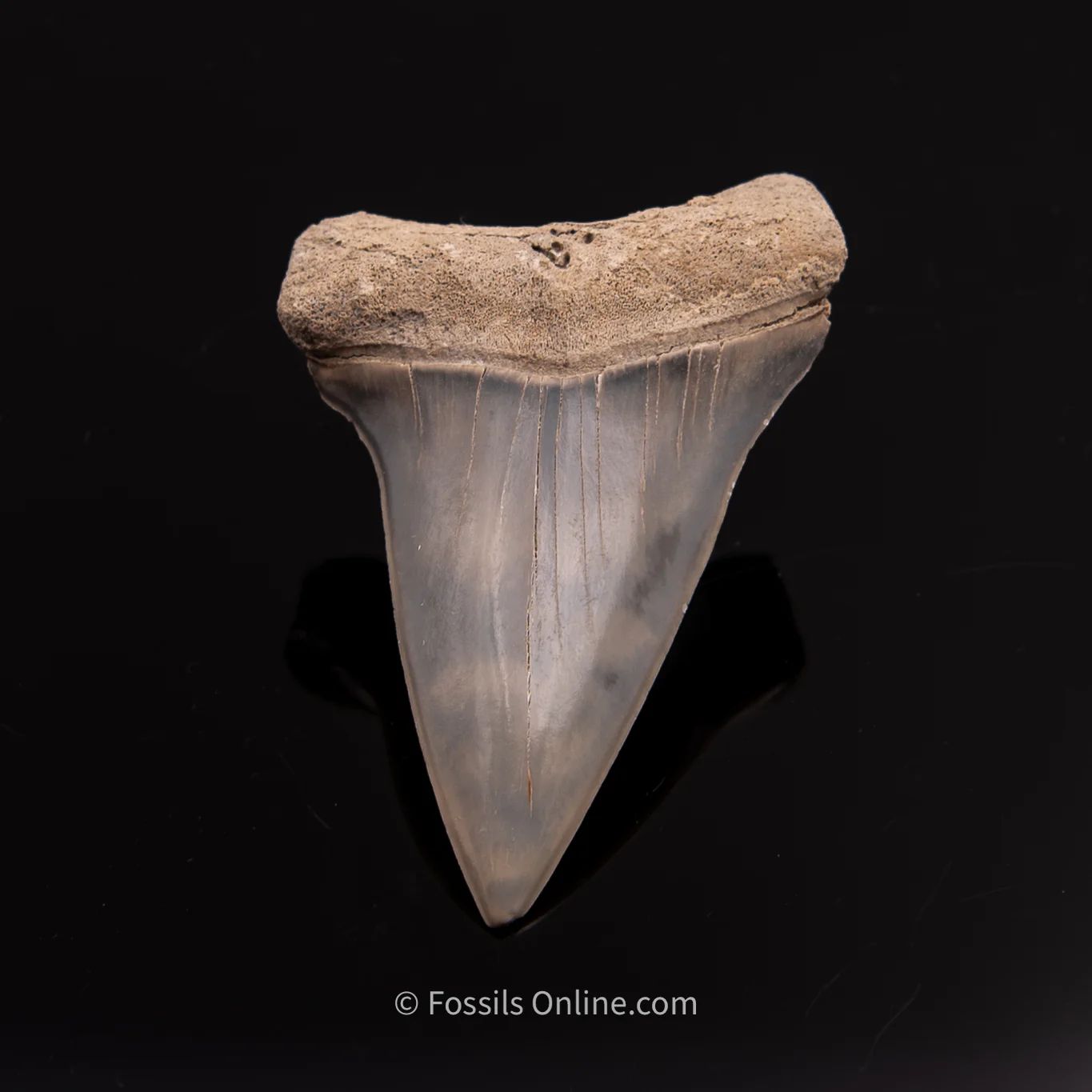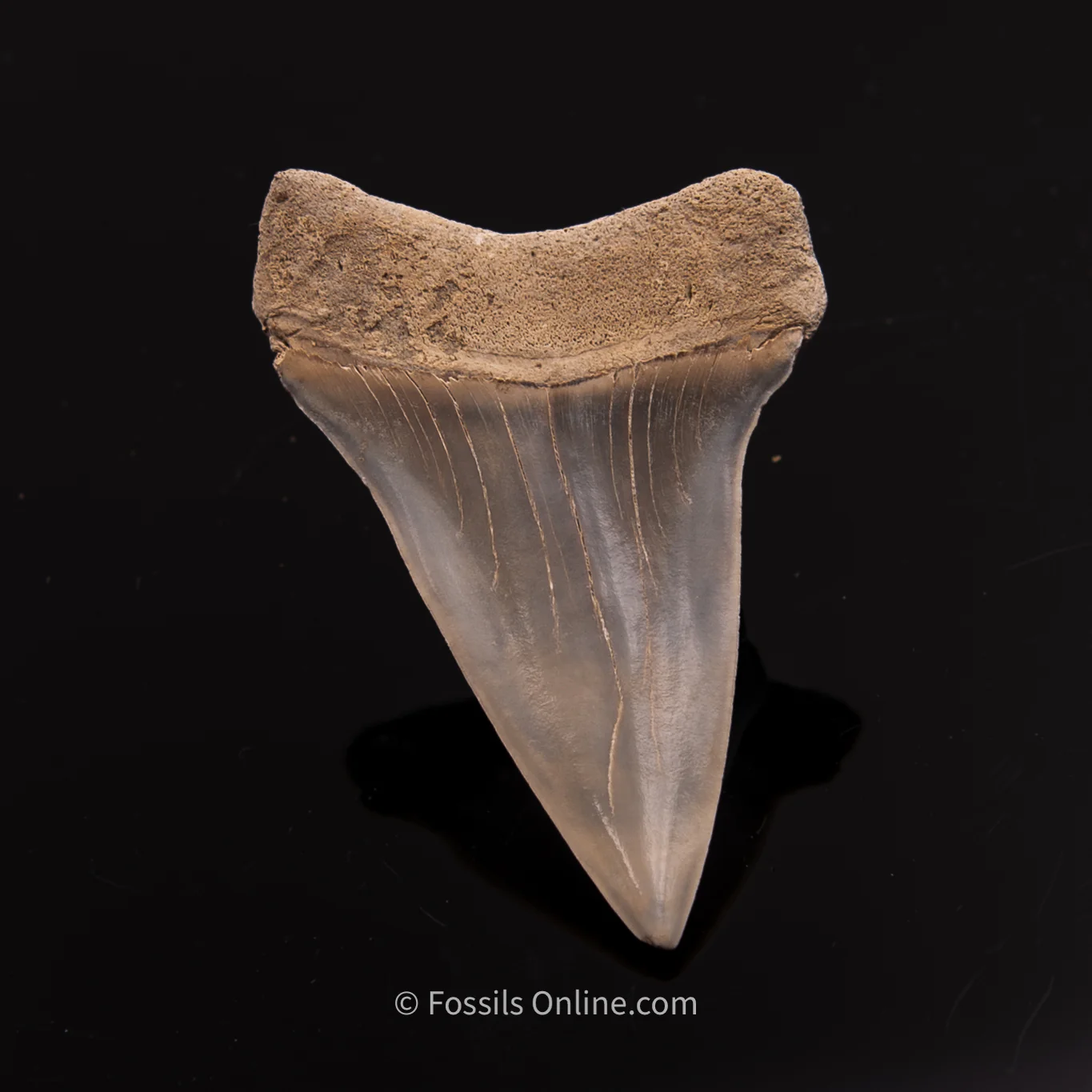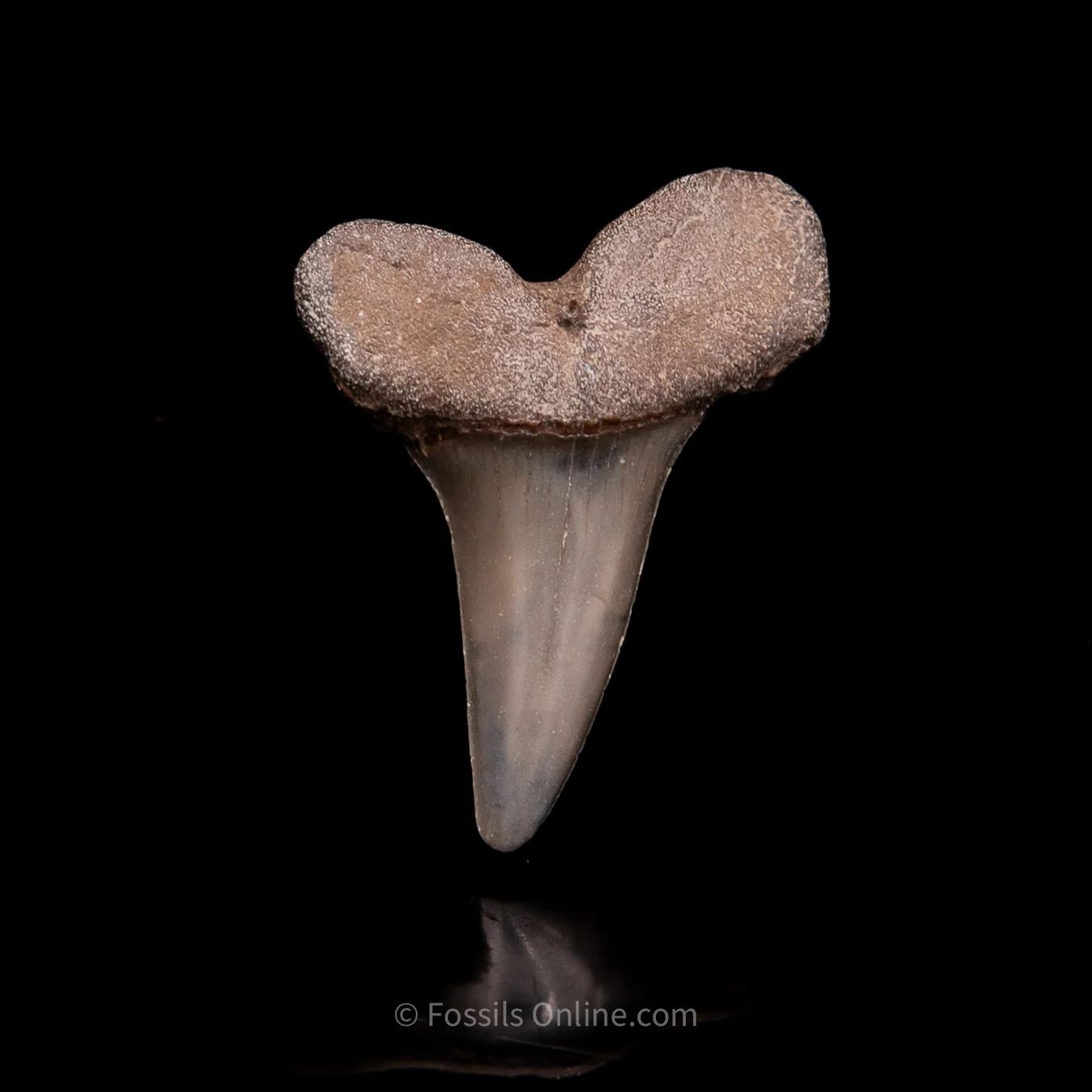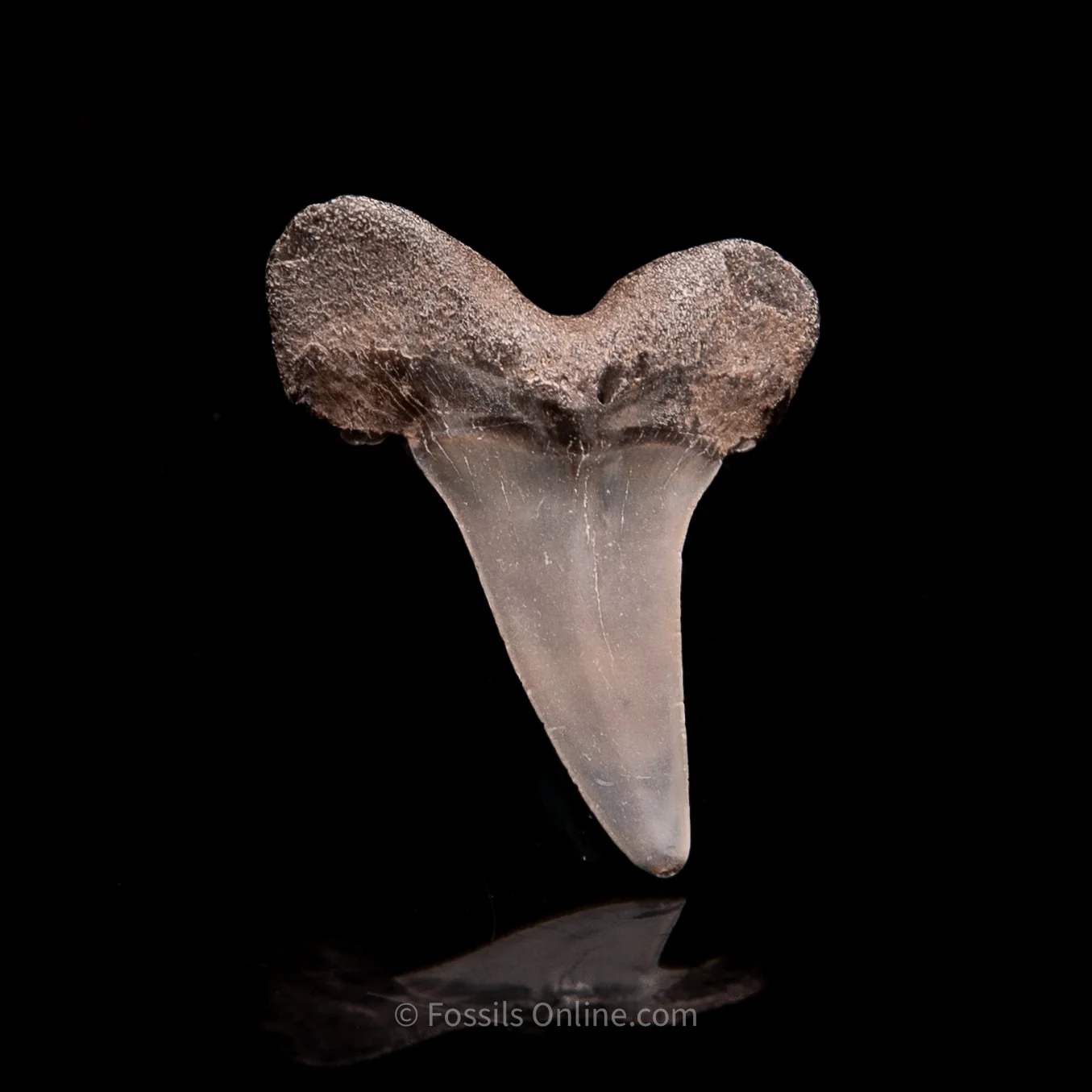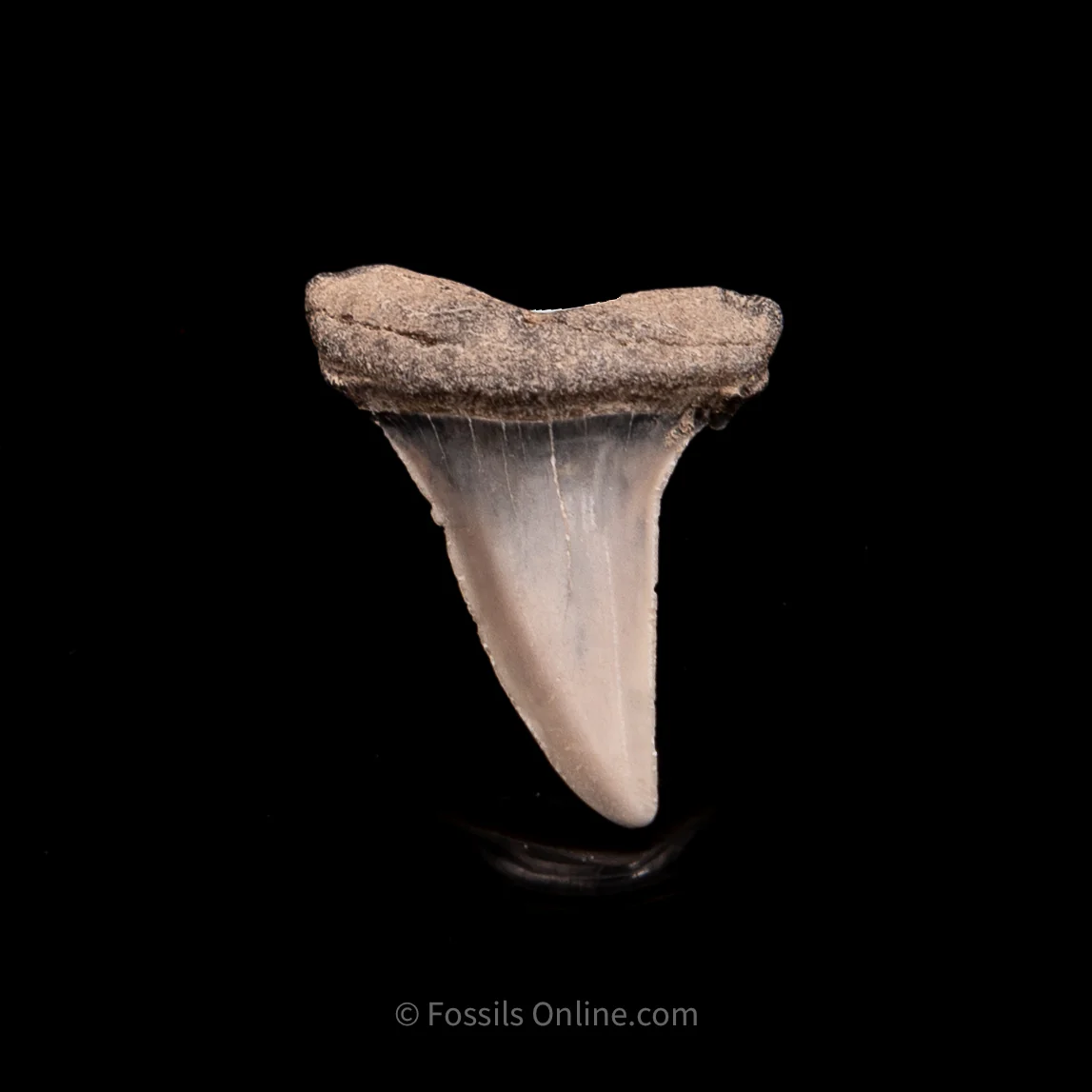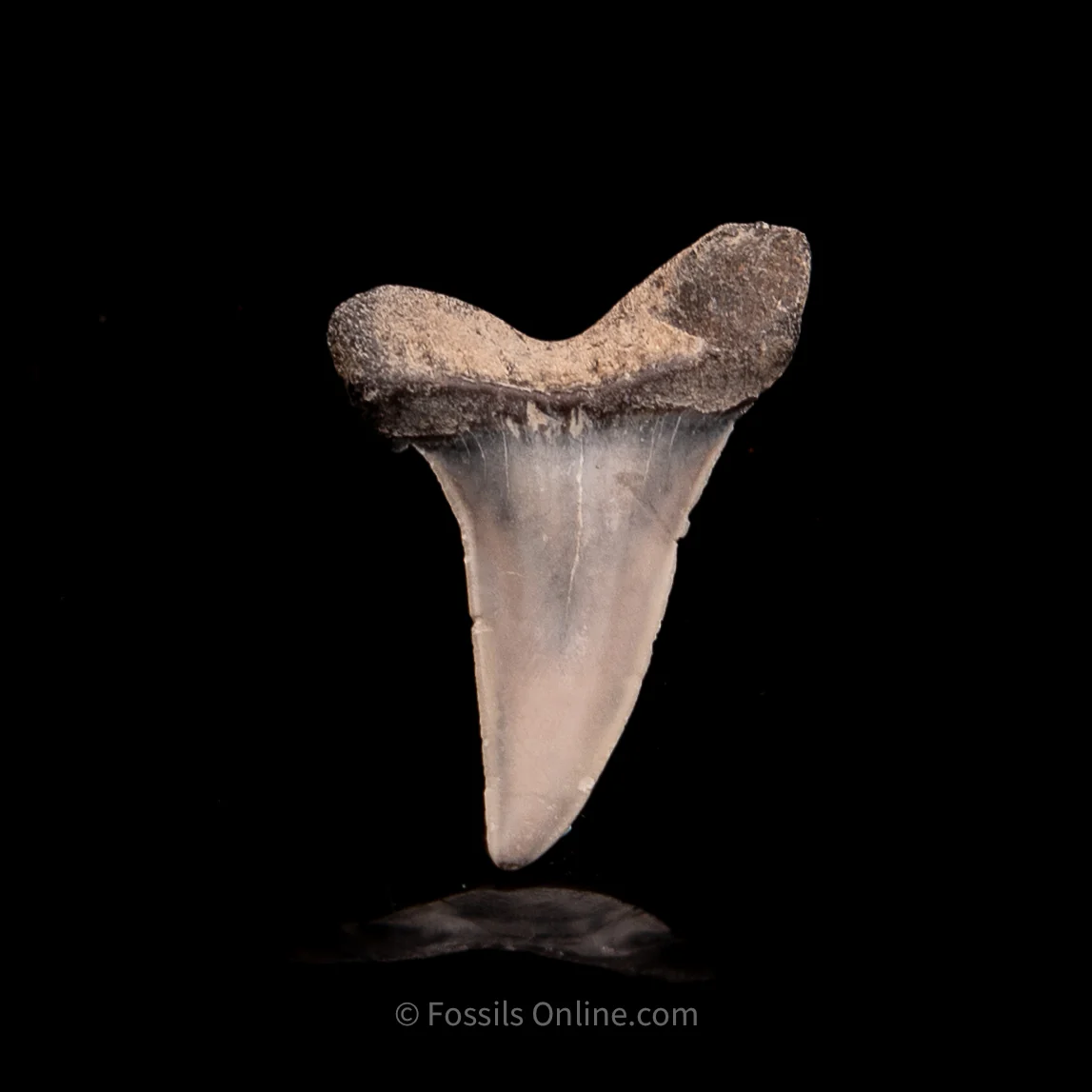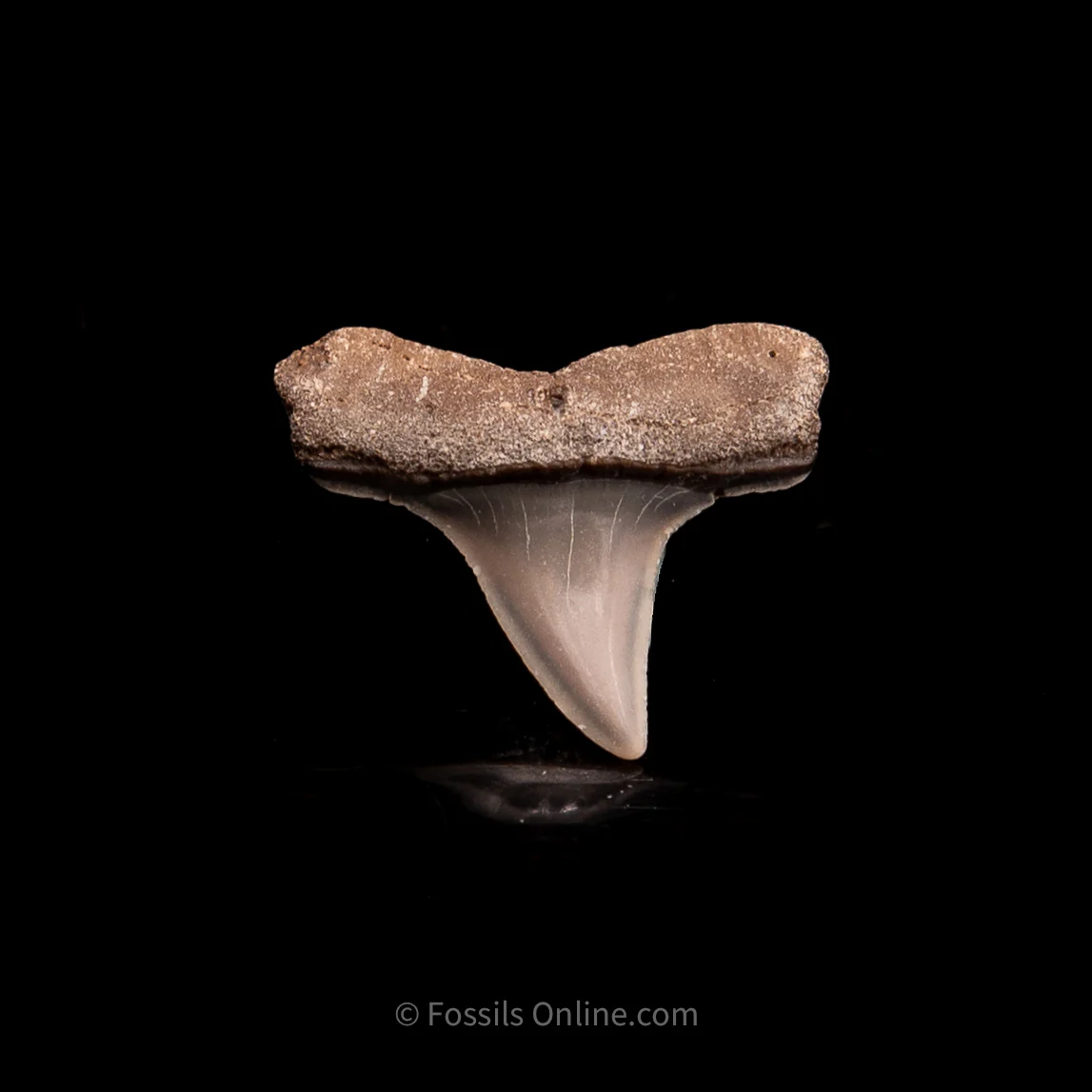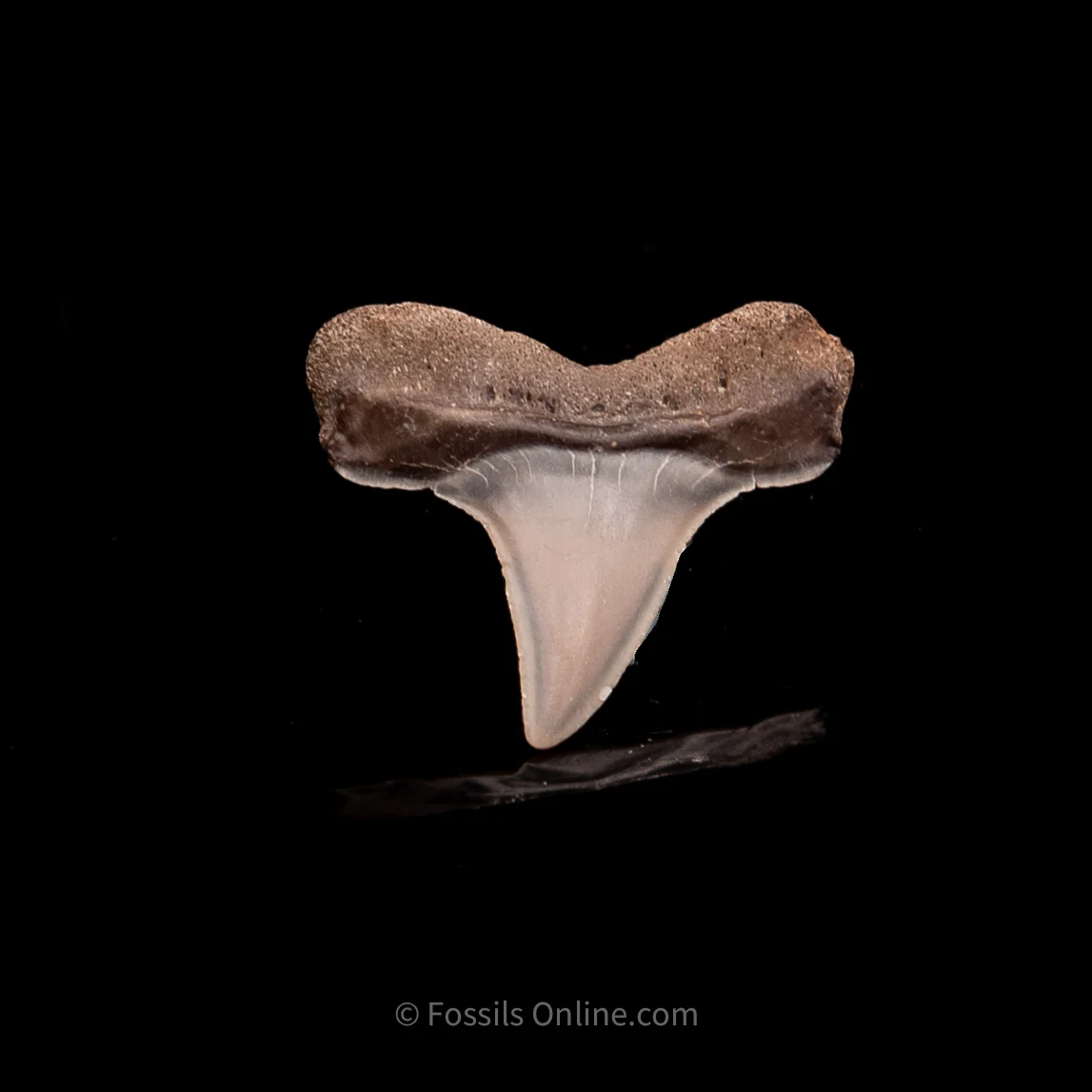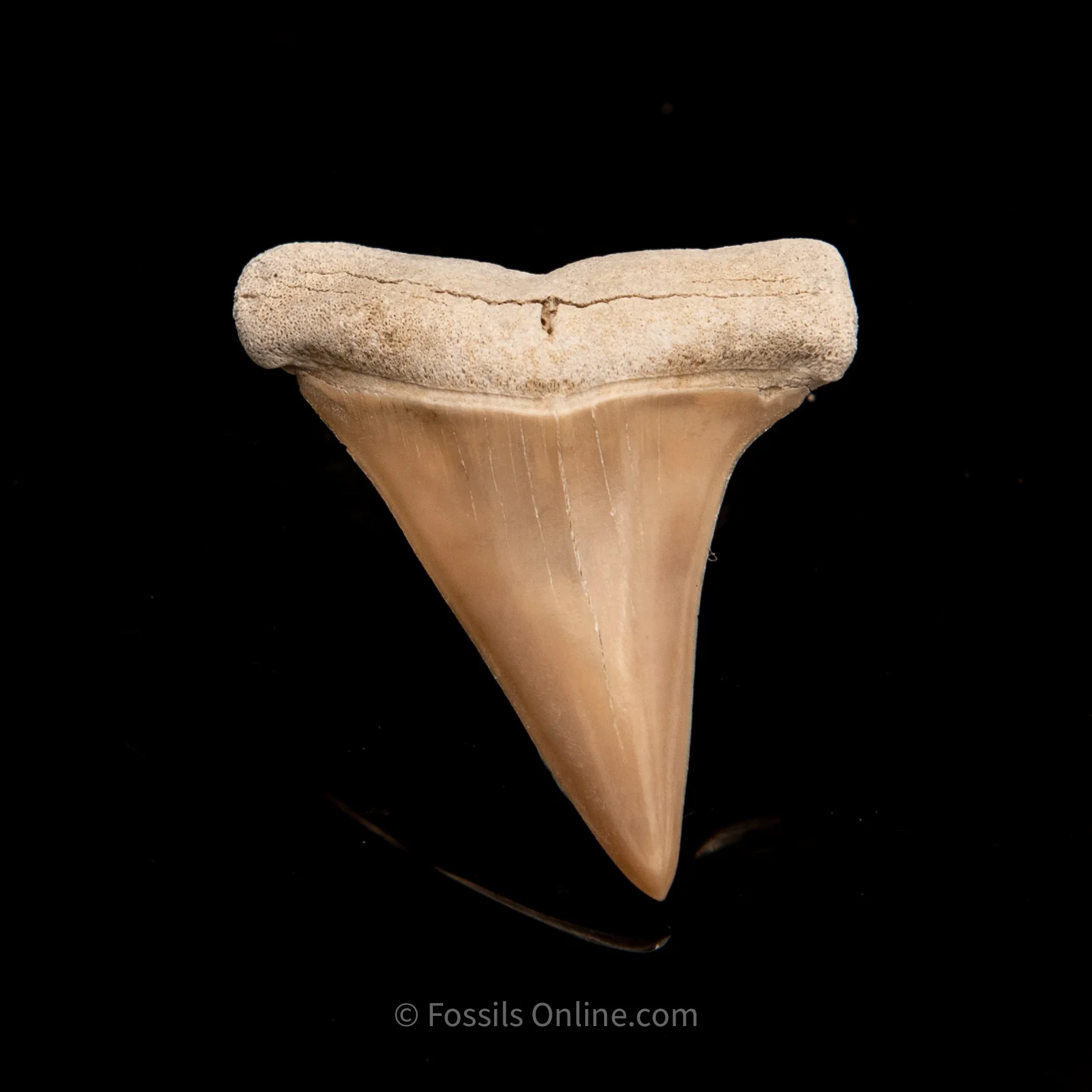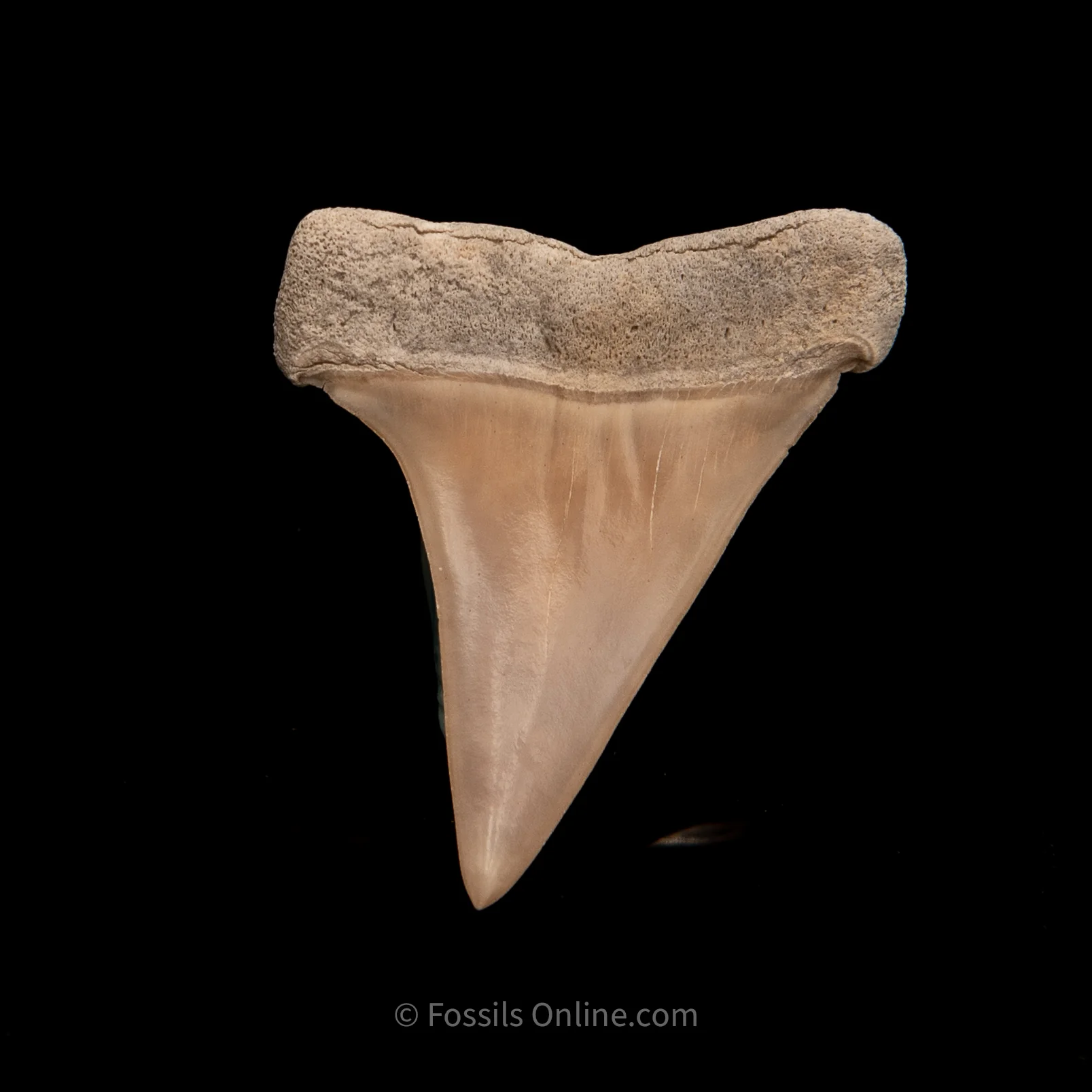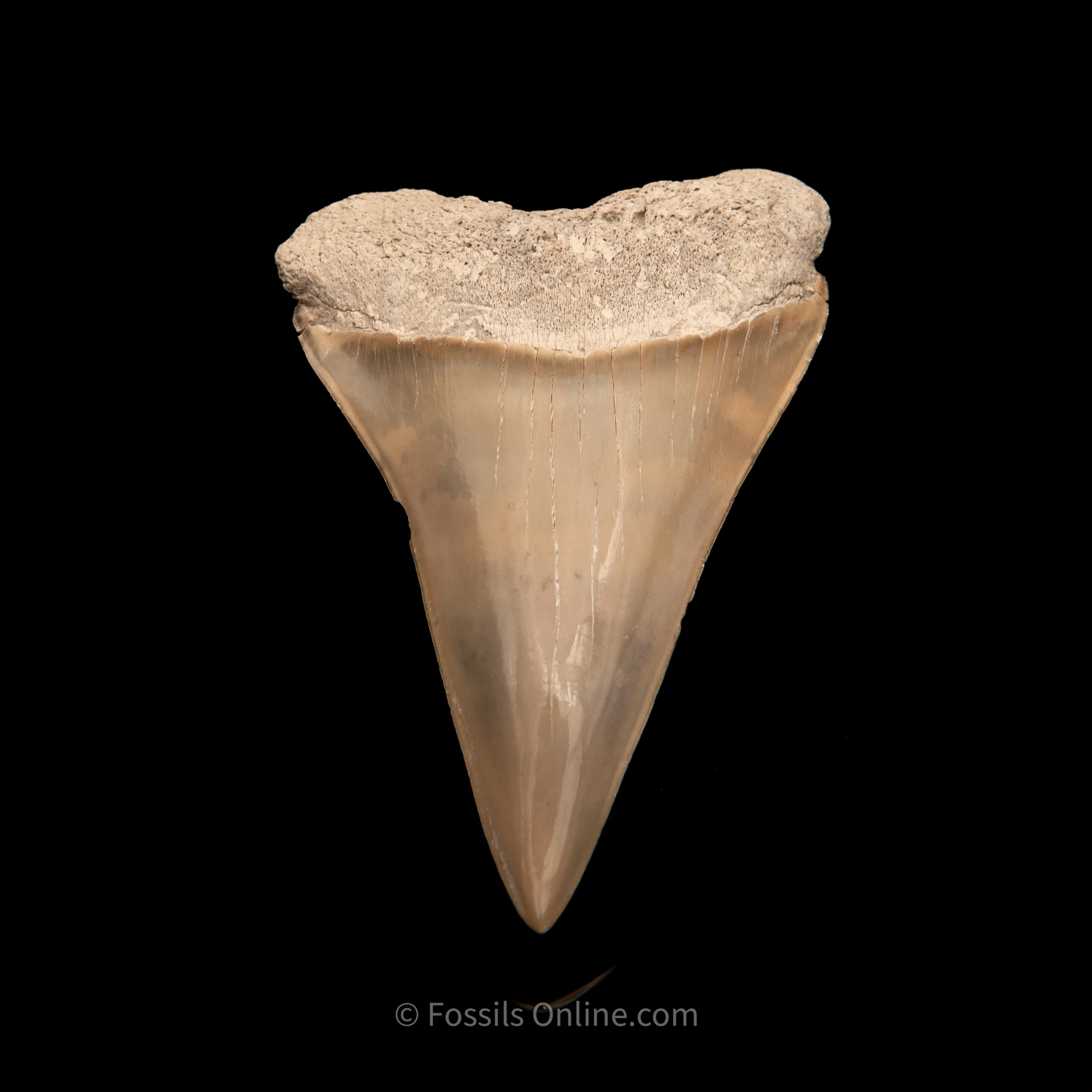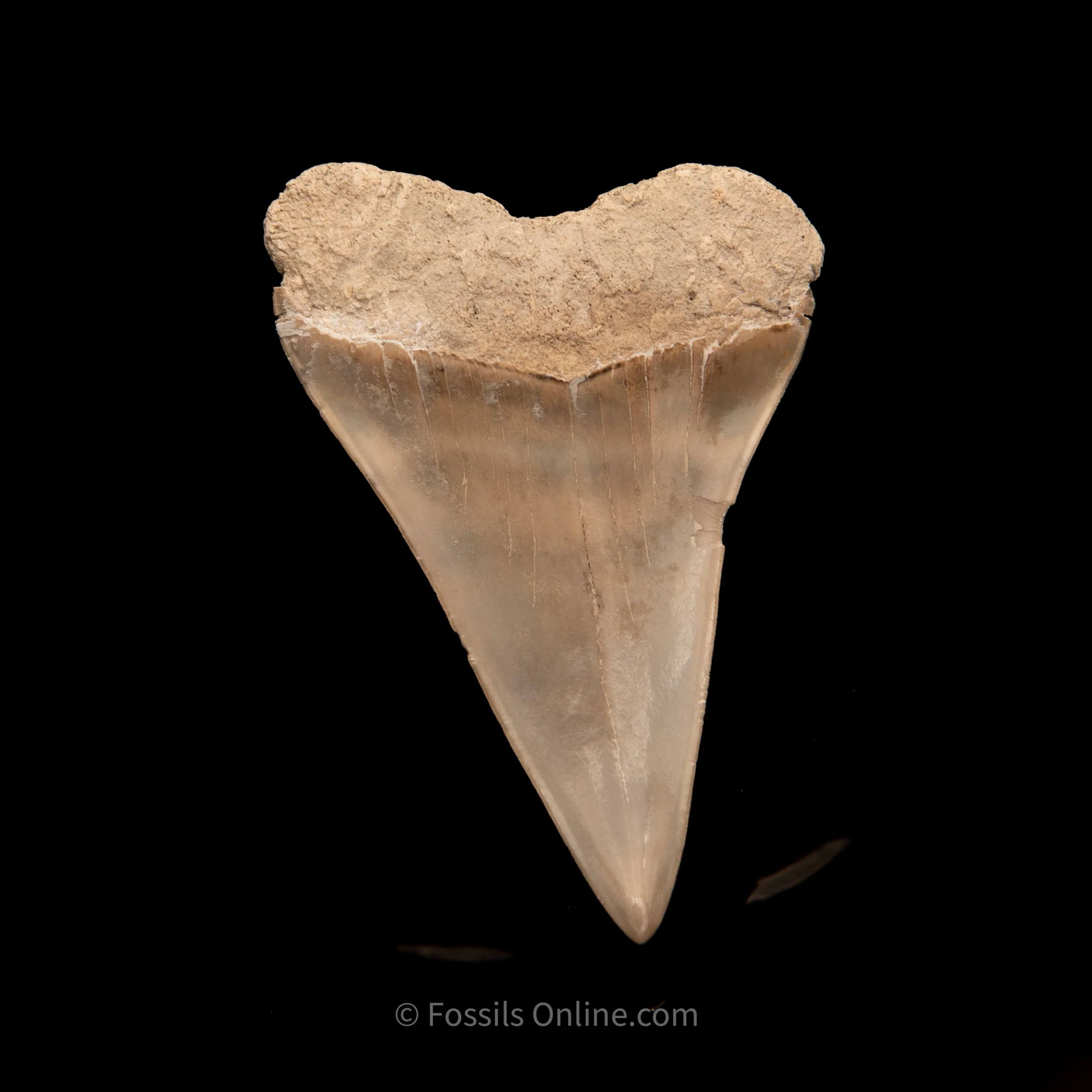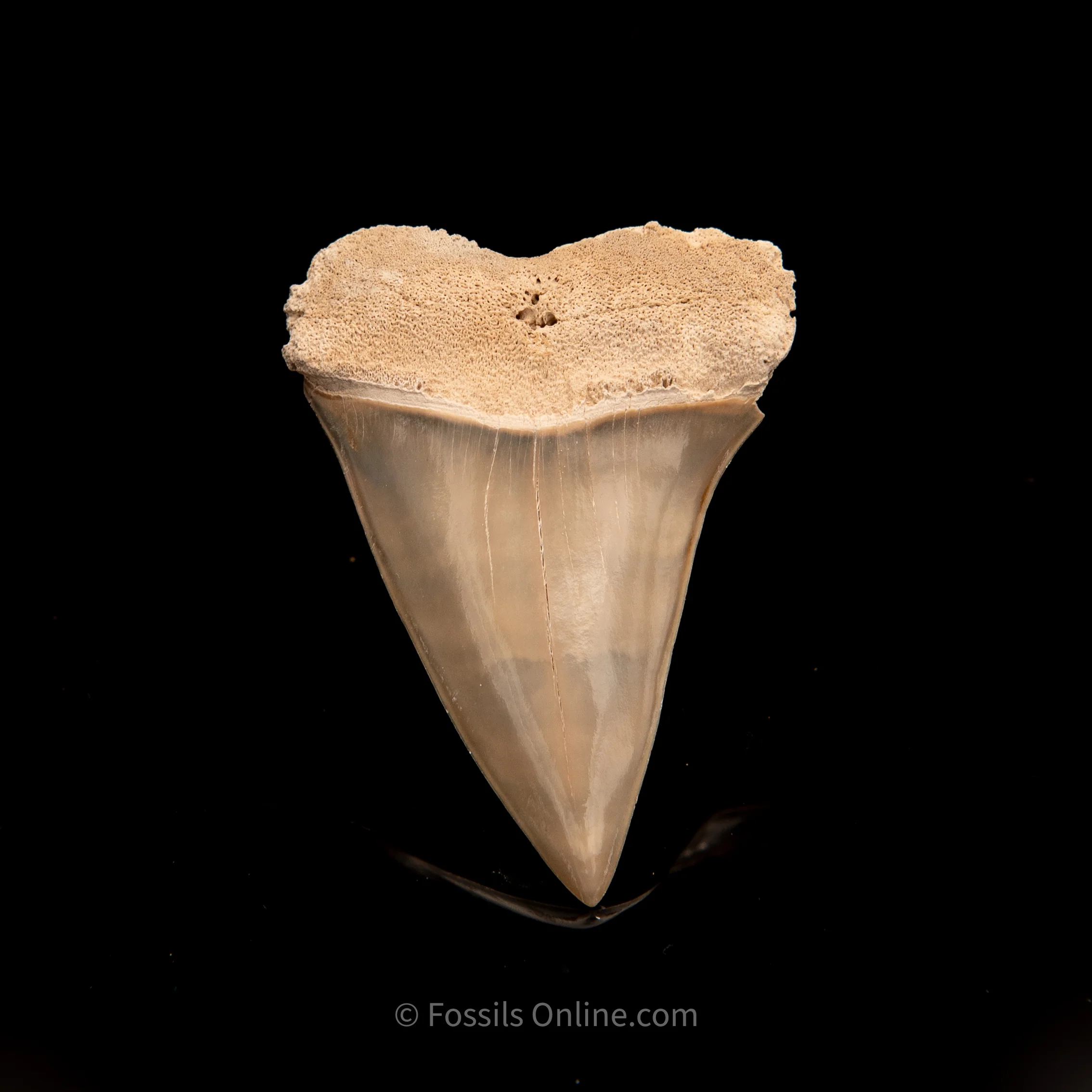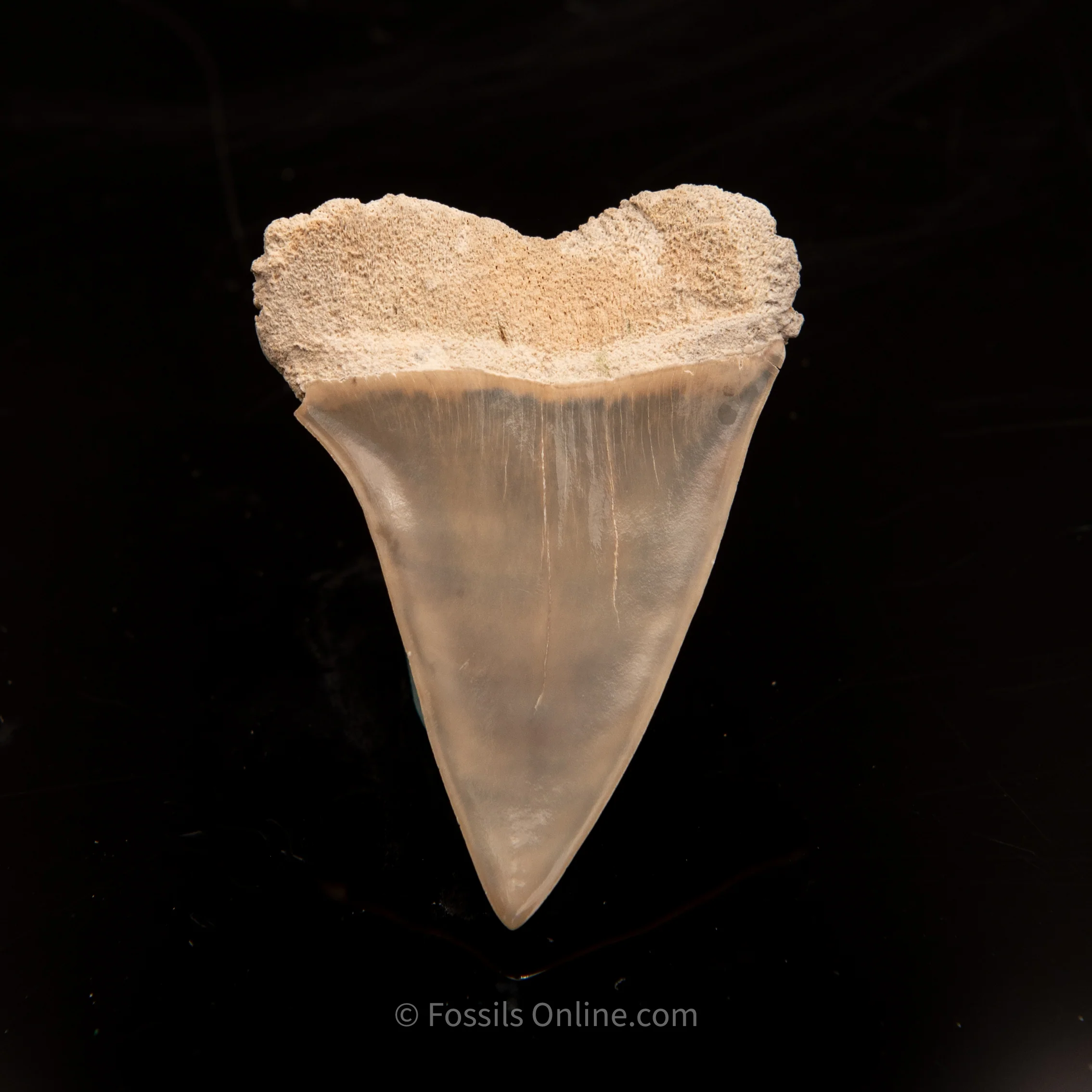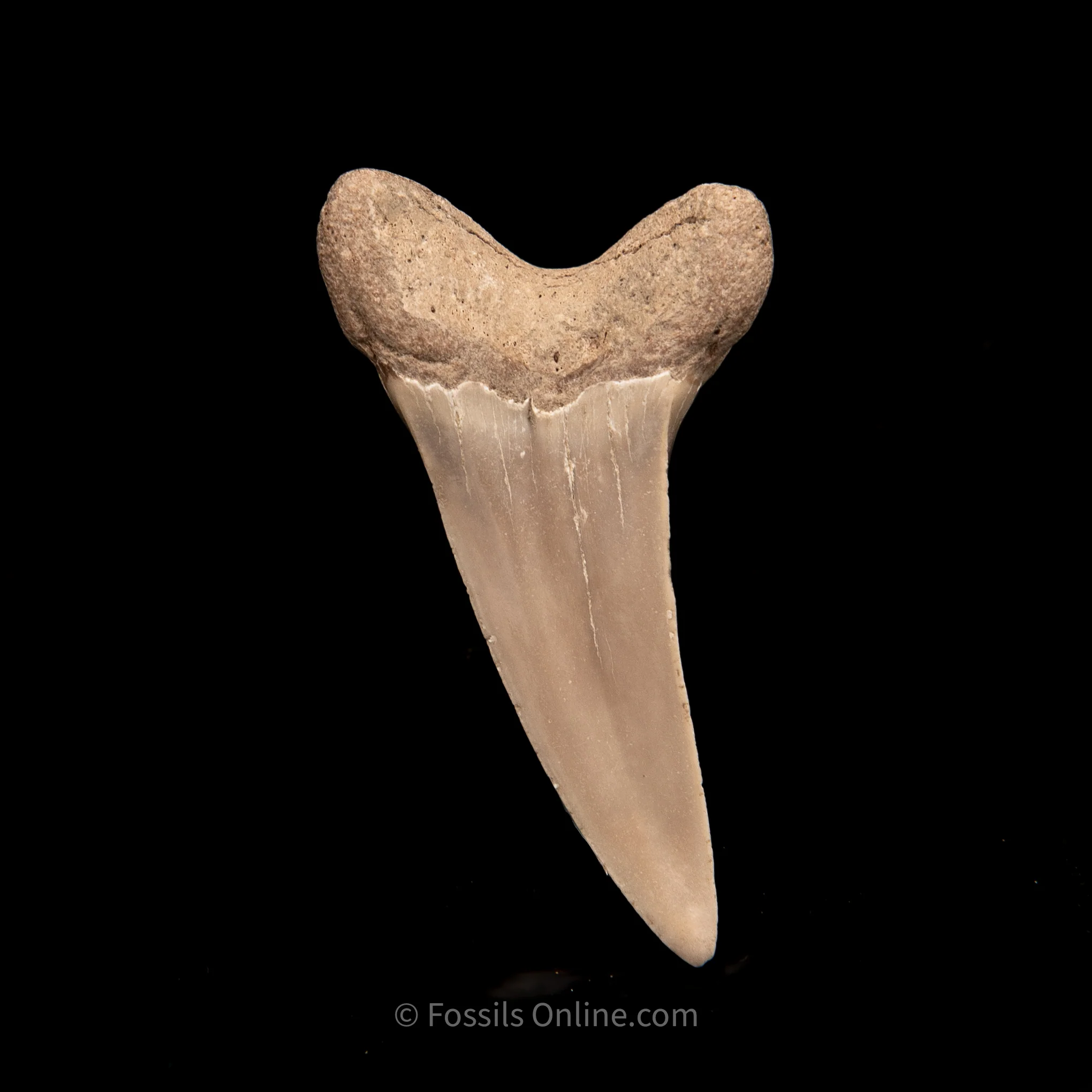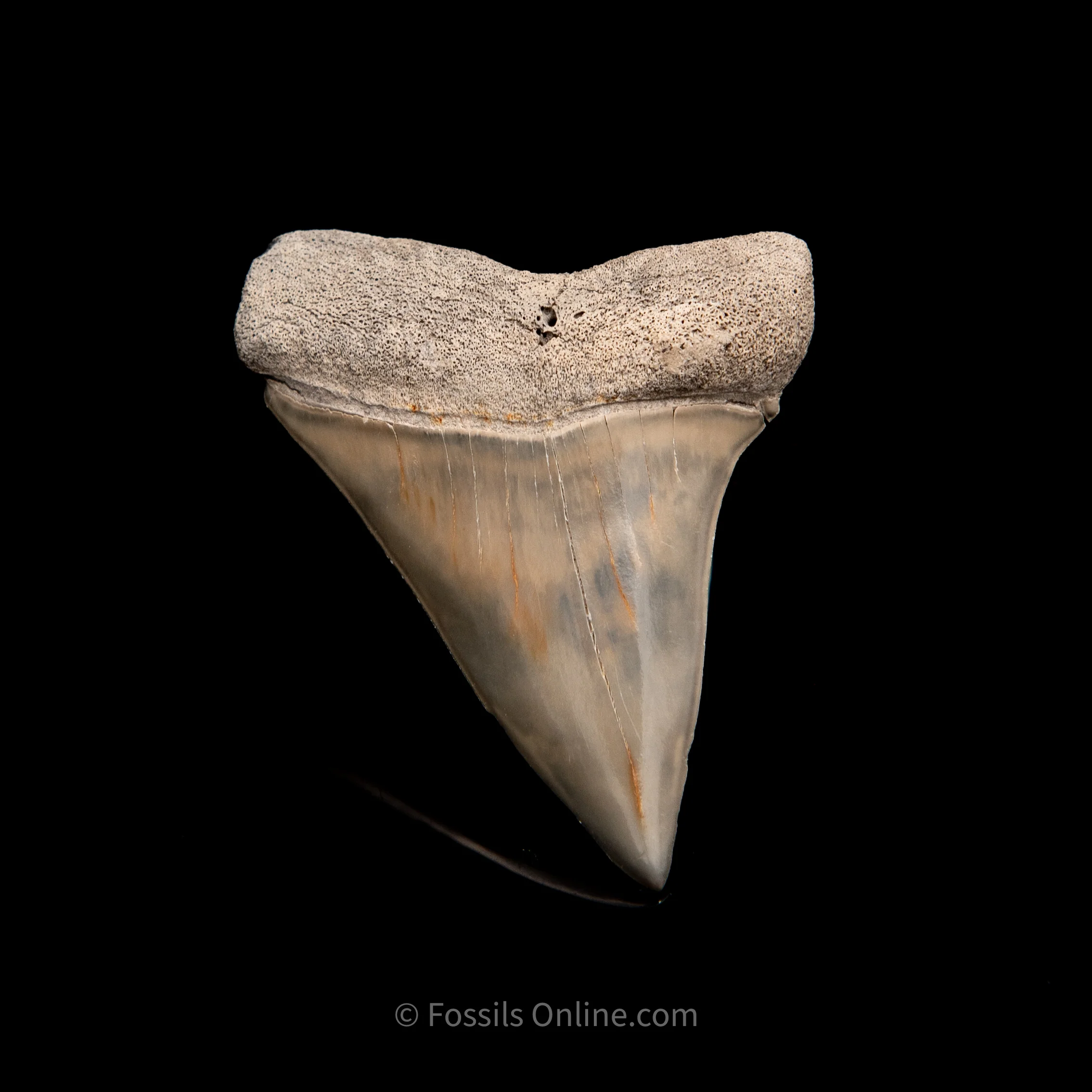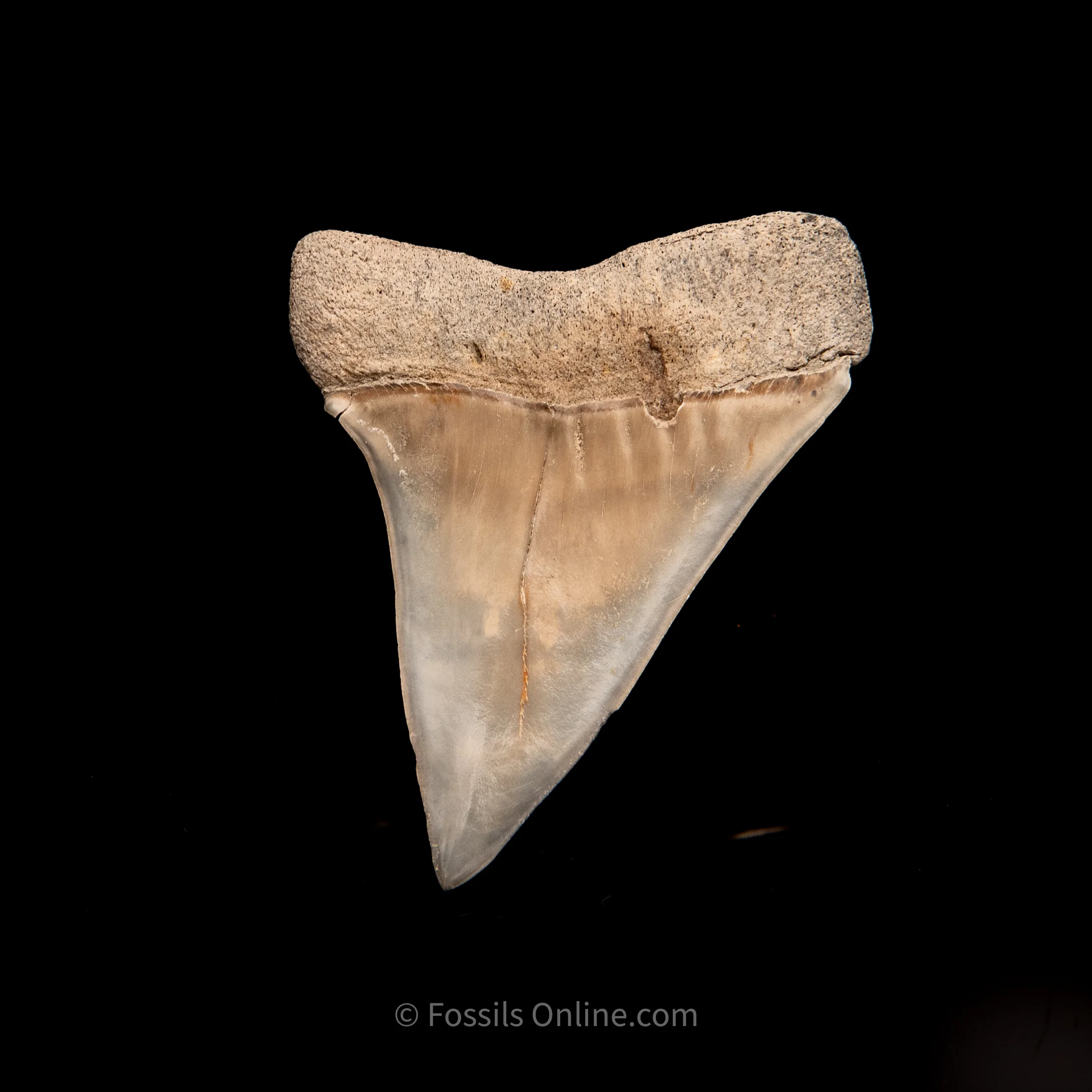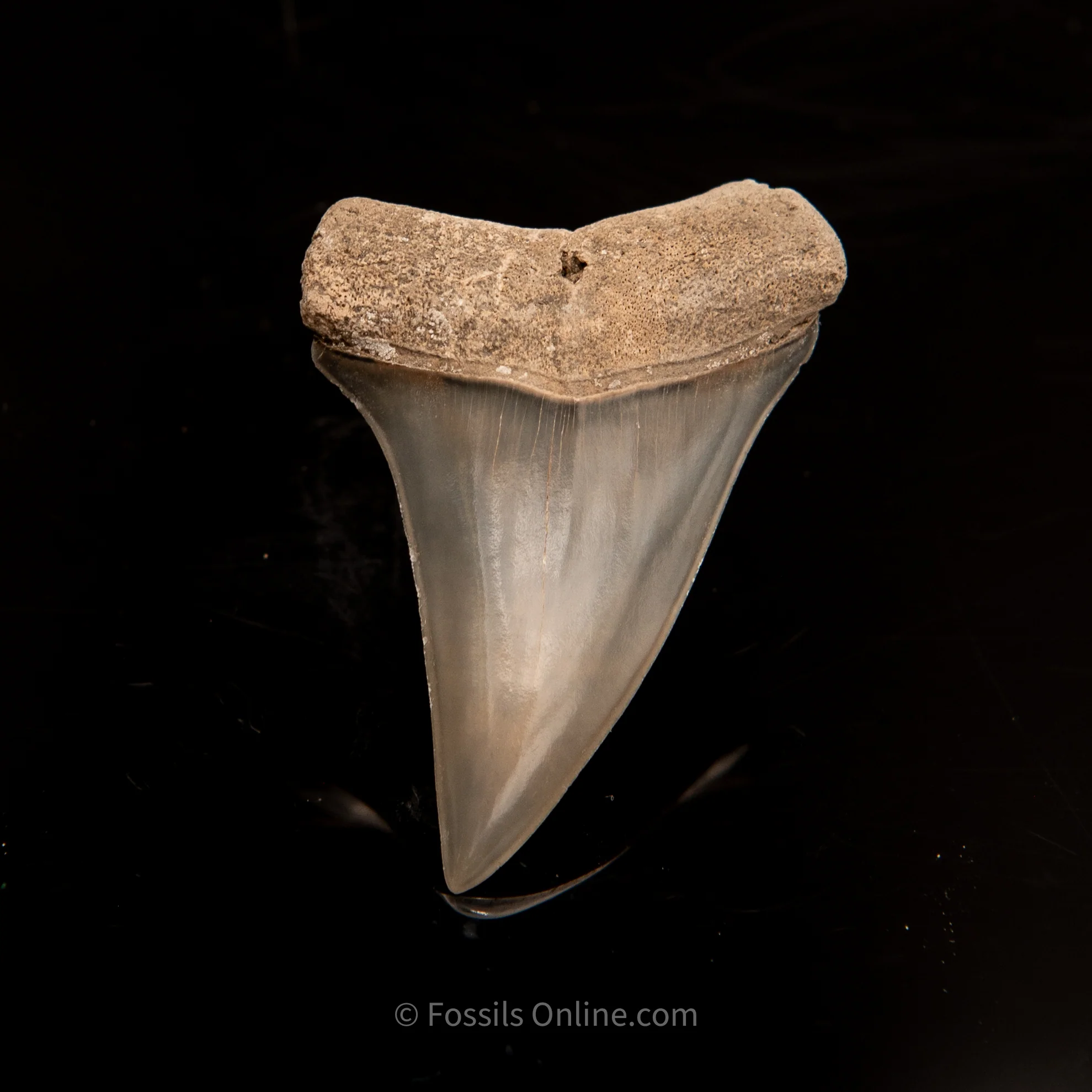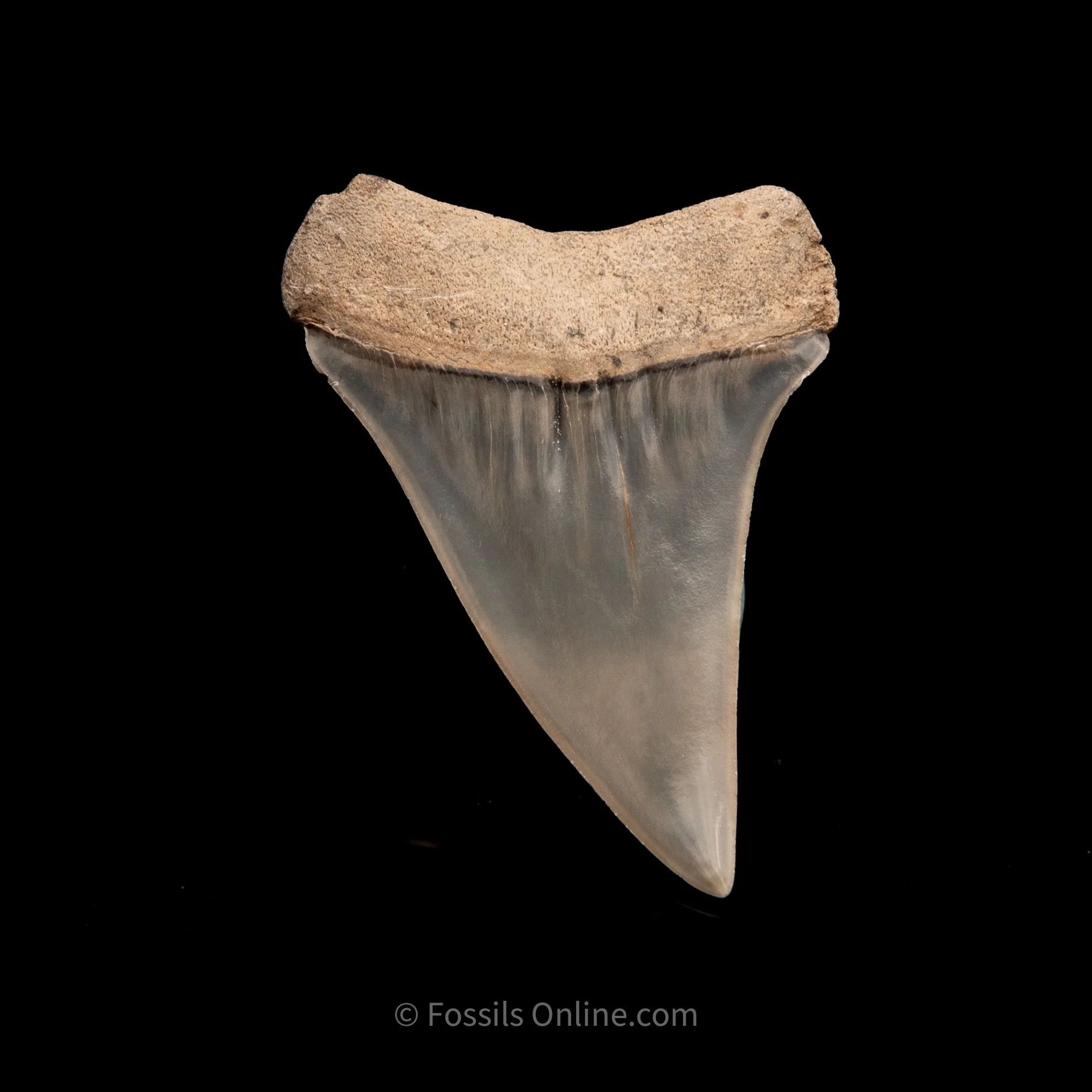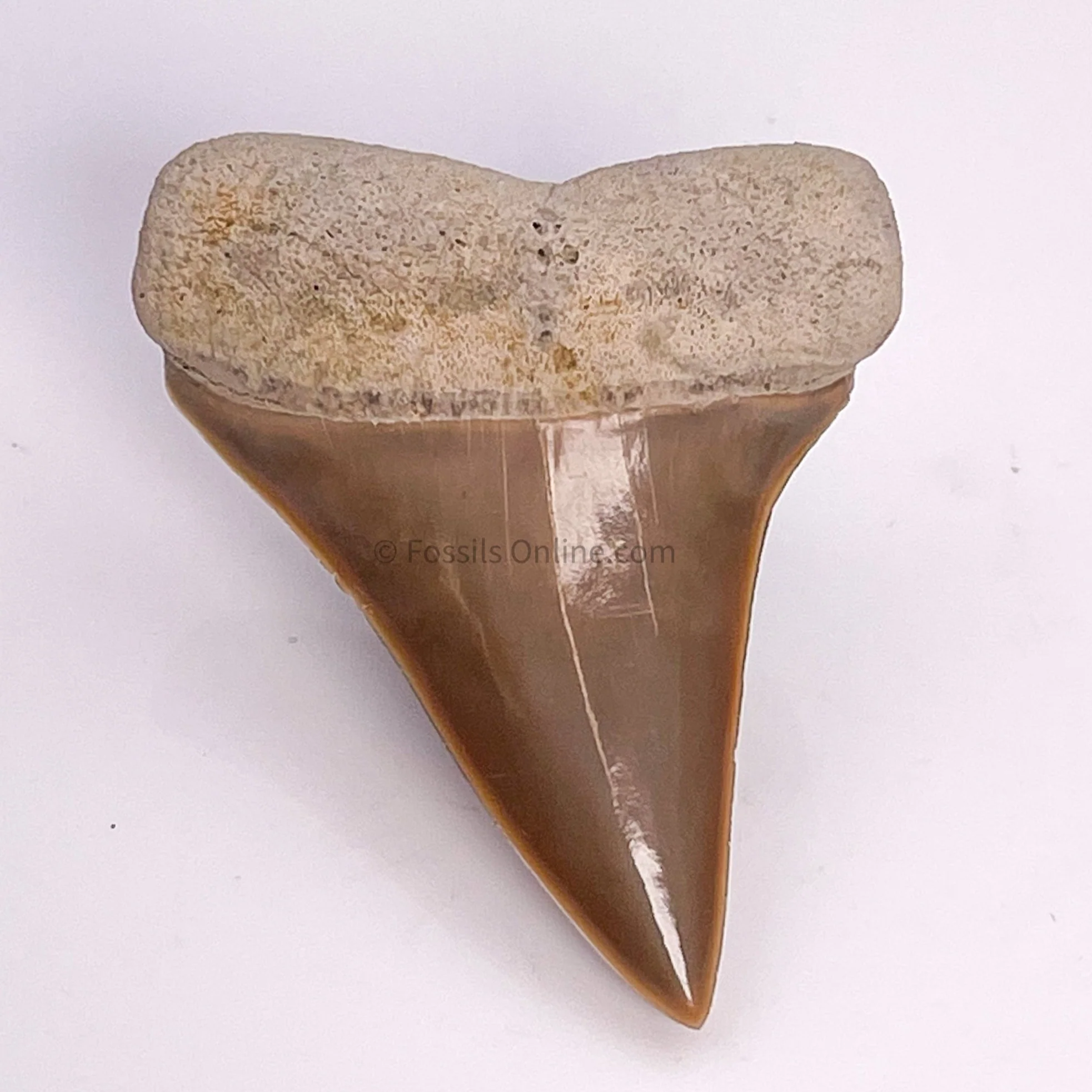
I. hastalis Ridgeville South Carolina 2.01"
Stunning Isurus hastalis specimen has a stunning, glossy enamel and perfect edges.
Found in Austin Pit, Ridgeville Dorchester county, SC
Isurus hastalis, often called the “broad-toothed mako,” was a fast and powerful predator that ruled the oceans during the Miocene and Pliocene epochs. With large, smooth-edged teeth, it likely hunted bony fish, marine mammals, and smaller sharks. Considered a probable ancestor of today’s mako sharks, I. hastalis fossils have been found across the globe, highlighting its wide range and dominance in ancient seas.
Stunning Isurus hastalis specimen has a stunning, glossy enamel and perfect edges.
Found in Austin Pit, Ridgeville Dorchester county, SC
Isurus hastalis, often called the “broad-toothed mako,” was a fast and powerful predator that ruled the oceans during the Miocene and Pliocene epochs. With large, smooth-edged teeth, it likely hunted bony fish, marine mammals, and smaller sharks. Considered a probable ancestor of today’s mako sharks, I. hastalis fossils have been found across the globe, highlighting its wide range and dominance in ancient seas.
Description
Stunning Isurus hastalis specimen has a stunning, glossy enamel and perfect edges.
Found in Austin Pit, Ridgeville Dorchester county, SC
Isurus hastalis, often called the “broad-toothed mako,” was a fast and powerful predator that ruled the oceans during the Miocene and Pliocene epochs. With large, smooth-edged teeth, it likely hunted bony fish, marine mammals, and smaller sharks. Considered a probable ancestor of today’s mako sharks, I. hastalis fossils have been found across the globe, highlighting its wide range and dominance in ancient seas.